

When “Toxic Burden” Disrupts Metabolism and Promotes Fat Storage

Many people struggle with weight control even though they restrict calories and exercise regularly, yet still find that they gain weight easily, lose weight slowly, or reach a plateau.
This issue is not caused by the calori in calorie out equation alone, but by a condition in
which the three core detox systems are overworked, leading to chronic inflammation and toxin accumulation within fat cells. The body uses fat tissue as a storage site for toxins that cannot be eliminated in time.
When toxic burden increases, the body enters a self-protective mode, causing metabolism to slow down and promoting fat storage rather than fat breakdown.
1. The Gut: Inflammation That Leads to Insulin Resistance
An imbalanced gut is the starting point of chronic inflammation, directly affecting blood sugar regulation and insulin function.
Mechanisms That Disrupt Metabolism
- Insulin stimulation from toxins:
When the gut becomes permeable, toxins enter the bloodstream and trigger systemic inflammation. This inflammation interferes with insulin receptors on cells, leading to insulin resistance. - Fat storage increases:
When cells are insulin-resistant, excess sugar is stored as fat instead of being used for energy, making weight loss difficult. - Disrupted appetite regulation:
An imbalanced gut microbiome affects hormones that regulate appetite (ghrelin and leptin), causing frequent hunger or difficulty controlling cravings.
2. Circulatory System: Thickened Blood Disrupts Energy Delivery
Metabolic efficiency depends on the delivery of oxygen, nutrients, and metabolism related hormones such as thyroid hormones which rely on smooth circulation.
Mechanisms That Reduce Metabolic Efficiency
- Oxygen fails to reach fat cells:
When blood becomes viscous or circulation slows, fat breakdown (lipolysis) and muscle metabolism cannot function at full capacity. - Toxic burden in the bloodstream:
Accumulated waste interferes with liver function the primary organ for fat metabolism. When the liver must prioritize detoxification, metabolic efficiency declines. - Post-meal fatigue:
Impaired circulation causes fatigue after eating, reducing movement and further slowing metabolism.
3. The Lymphatic System: The Primary Storage Pathway for Fat Cell Toxins
The lymphatic system plays a key role in removing waste from fat tissue, which the body uses as a safe storage site for toxins.
Mechanisms That Promote Fat Accumulation
- Toxins stored in fat:
Environmental chemicals (xenobiotics) and spent hormones are stored in fat cells. If lymphatic flow is congested, the body refuses to break down fat because it is not yet safe to release toxins. - Congestion leads to swelling and inflammation:
Poor lymphatic circulation causes fluid retention and inflammatory buildup in fat tissue, making those areas more prone to fat storage. - Prevents fat-cell shrinkage:
Even when fat breakdown begins, if surrounding waste is not cleared, the fat cell reduction process remains incomplete.
Systemic Detox: Resetting the System for Sustainable Metabolism
Systemic Detox works by reducing toxic burden across all three systems, sending a signal to the body that “the system is now clean and safe.”
When the body feels safe, it allows toxins stored in fat to be released and reactivates the metabolic switch.
- Reduces gut inflammation: balances insulin and lowers insulin resistance
- Cleanses the bloodstream: reduces liver burden and improves nutrient and oxygen delivery
- Stimulates lymphatic flow: clears toxins from tissues and fat cells, unlocking fat-breakdown mechanisms
Systemic Detox therefore addresses weight control from the foundation, leading to natural and sustainable metabolism.
Why Weight Loss Fails If Toxic Burden Is Not Addressed First

A common misconception is that weight loss is purely about discipline.
In reality, a body with high toxic burden will resist fat loss, because fat serves as a protective storage site for toxins.This survival instinct not bodily dysfunction explains why many people experience:
- Initial weight loss followed by a plateau
- Stubborn fat areas (lower abdomen, hips, thighs)
- Increased fatigue and progressively slower metabolism
Because the body is in “survival mode,” not “fat burning mode.”
Warning Signs That Toxins Are Interfering With Metabolism

Before noticeable weight gain occurs, the body often sends early signals such as:
- Gaining weight more easily despite eating the same
- Increased difficulty losing weight with the same routine
- Drowsiness and fatigue after meals
- Strong cravings for sugar or carbohydrates
- Fluid retention, especially in the evening
- Hard, painful fat deposits or more visible cellulite
These signs do not mean the metabolism is “broken,” but rather that the detox systems are overloaded.
When toxins exceed system capacity, the body intentionally slows metabolism to avoid releasing too many toxins at once, which could harm cells and vital organs.
Why “The More You Starve, the More You Gain” Happens in Some People
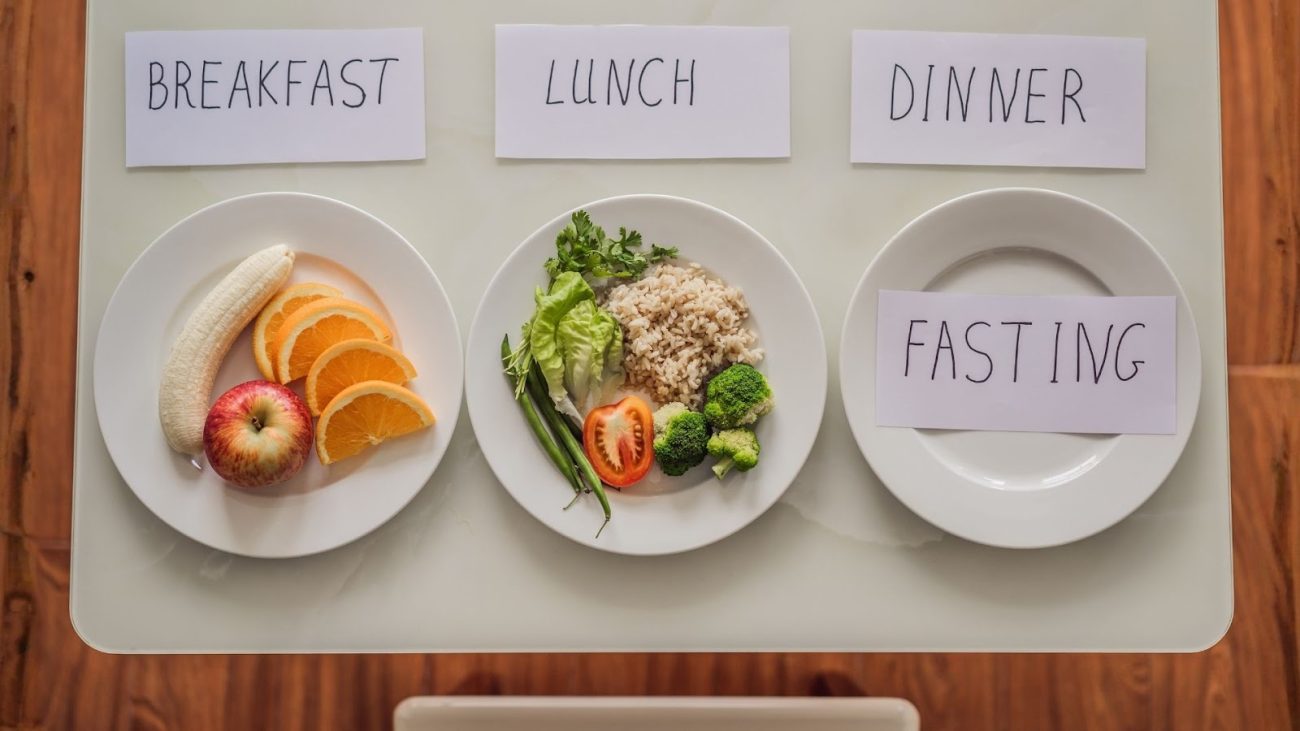
Severe calorie restriction may work short-term, but in individuals with high toxic burden, it worsens internal imbalance.
As fat is broken down, stored toxins are released into the bloodstream.
If detox systems are not ready, the body perceives this as a threat, leading to:
- Increased inflammation and worsened insulin resistance
- Elevated stress hormones (cortisol)
- Accelerated fat re-accumulation
This results in yo yo weight cycling, often returning at a higher weight than the starting point.
Sustainable Weight Loss Begins With “Body Safety”

The body will not release fat if it still needs fat tissue to store toxins.Systemic Detox is not a shortcut to weight loss, but a way to restore the body’s natural balance. When systems are clean and aligned:
- Healthy eating is used as true energy
- Exercise becomes more effective
- Weight and body composition change gradually and sustainably
Not because you try harder, but because the body no longer resists.
Q&A: Systemic Detox and Weight Loss
Q : Why doesn’t weight decrease even with diet and exercise?
A : Because toxic burden remains high, causing the body to slow metabolism and store fat as protection.
Q : How does Systemic Detox help stubborn or localized fat?
A : Improved blood and lymphatic flow reduces toxin congestion and inflammation, allowing fat cells to respond better to metabolic signals.
Q : Why does weight rebound faster with extreme dieting?
A : Because toxins are released with fat; if detox systems are not ready, the body rapidly stores fat again.
Q : How long before results appear with Systemic Detox?
A : Many people feel lighter, less swollen, and more energized within 1 – 2 weeks, while weight and measurements change gradually and sustainably.
Q : Do I still need diet control and exercise after Systemic Detox?
A : Yes but it becomes easier. When internal systems are balanced, the body stops resisting, and healthy eating and exercise finally produce real results.