


The truth beneath strong muscles may be a circulation system under silent strain.
In an era where health has become a lifestyle, many people dedicate themselves to exercise, disciplined nutrition, and sculpting a strong, well-balanced physique. From the outside, everything appears optimal.
Yet a troubling question continues to surface
Why are we seeing more cases of young, seemingly fit individuals experiencing sudden fainting episodes or acute events such as stroke?

This phenomenon forces us to reconsider a common assumption:
Why can the strongest-looking bodies fall without warning?
The answer does not lie in muscle mass or cardiovascular endurance alone. It lies deeper in the quality of blood circulation.
When physical fitness cannot compensate for impaired circulation, the body may gradually enter a state of silent oxygen deprivation. Blood, whose primary role is to transport oxygen, can lose its fluidity and become viscous. Over time, this subtle shift creates cumulative stress until one day it manifests abruptly in the brain or heart, when the body can no longer compensate.
Thickened Blood: When the Carrier Becomes the Obstruction
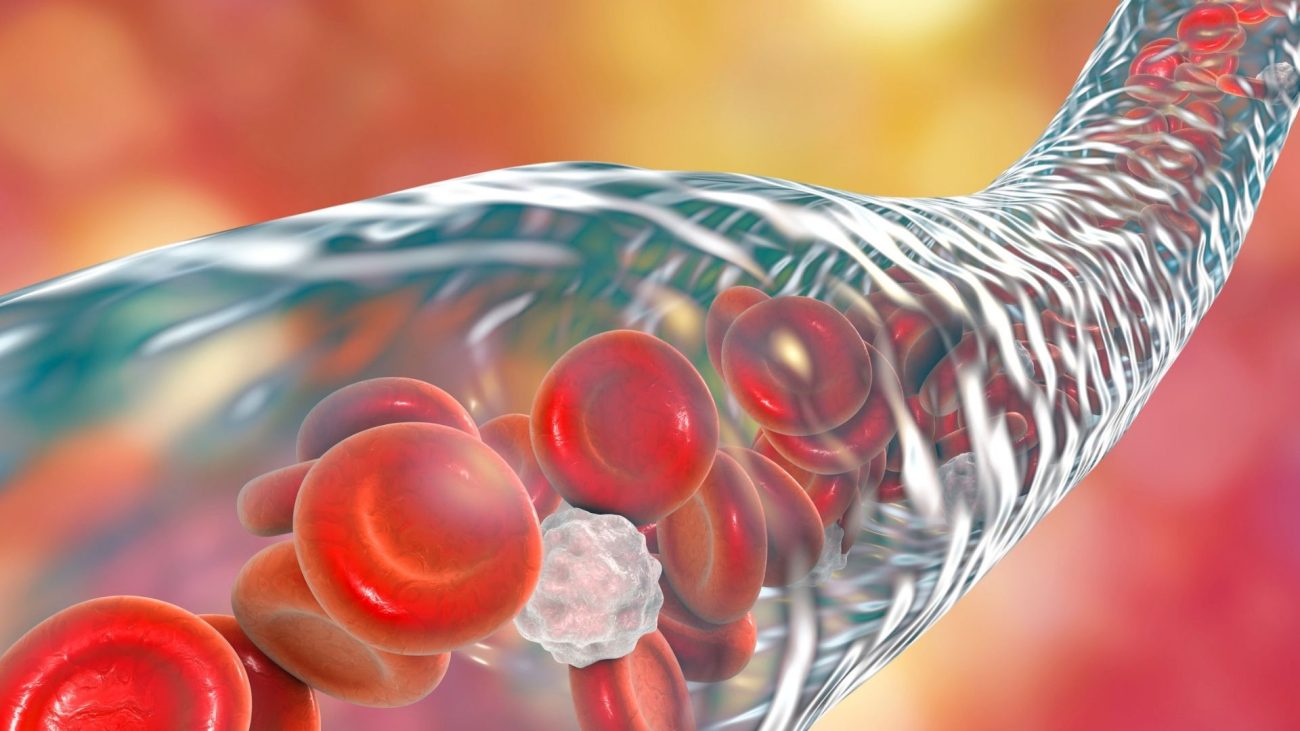
To understand the danger of thickened blood, we must look at the capillaries the body contains millions of microscopic vessels, some even narrower than a red blood cell.
For oxygen to reach every cell, red blood cells must possess two essential qualities:
- Flexibility the ability to bend and fold through extremely narrow passages
- Proper dispersion remaining separate rather than clumping, maximizing oxygen exchange surface area
Under normal conditions, red blood cells carry a negative surface charge, which naturally repels them from one another, allowing smooth circulation.
However, when internal balance is disrupted, this charge can diminish. Repulsion turns into attraction. Red blood cells may stack together or aggregate into larger clusters. These clusters can obstruct capillaries, forcing the heart to pump harder, increasing blood pressure, and most critically limiting oxygen delivery to the brain, even while breathing appears normal.
The Fitter You Are, The More You Must Be Aware: 3 Silent Factors That Increase the Risk of Thickened Blood

A common misconception is that thickened blood only affects individuals who are overweight or have high cholesterol. In reality, lean individuals, athletes, and those who exercise regularly may also be at risk due to less visible factors:
1. Unrecognized Dehydration
Exercise, air-conditioned environments, or insufficient fluid intake cause the body to draw water from the bloodstream, increasing blood concentration.
2. Chronic Inflammatory Response
Intense muscle use or prolonged stress stimulates fibrinogen production a protein that, in excess, acts like glue, encouraging red blood cell aggregation.
3. Acidic Blood Environment
High metabolic activity produces acids such as lactic acid. If not cleared efficiently, red blood cell membranes can stiffen, reducing flexibility and impairing microcirculation.
When Internal Systems Collapse in Sequence: Gut, Lymphatic, and Circulatory Interconnection
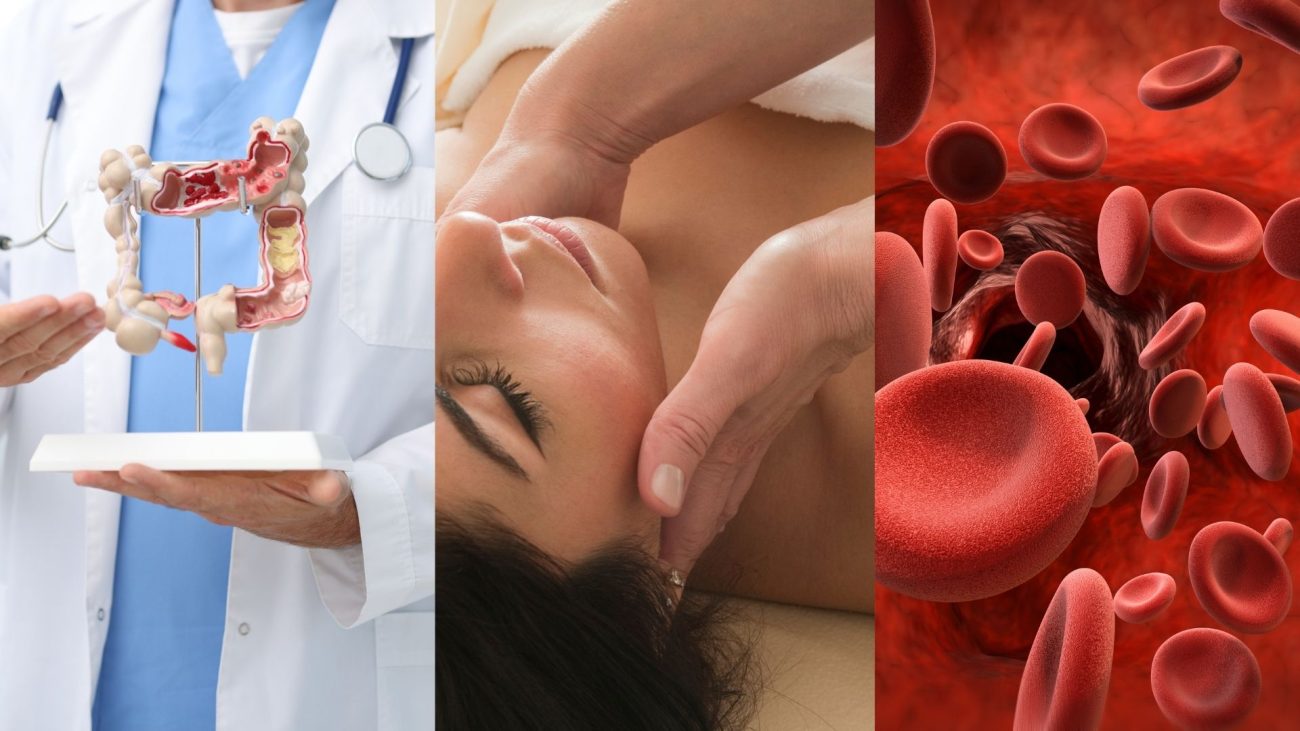
Thickened blood rarely occurs in isolation. It is often the result of imbalance across three interconnected systems:
1. The Gut the origin of inflammation and foreign substances
2. The Lymphatic System when drainage is impaired, pressure builds and affects vascular flow
3. The Circulatory System reduced fluidity increases cardiac burden
When these systems fall out of rhythm, vascular risk increases quietly and progressively.
4 Warning Signs Not to Ignore
- Brain fog, slowed thinking
- Dizziness or near-fainting when changing posture
- Unusually cold hands and feet
- Reduced stamina or unexplained fatigue
Restoring Circulation Through Systemic Detox
Correcting thickened blood does not mean stopping exercise nor is it about suppressing symptoms. It is about restoring the internal environment as a whole.
- Blood Oxygenation (Ozone Therapy)
Supports oxygen quality in circulation, promotes red blood cell separation, and improves microvascular flow.
- Vascular Cleaning (Chelation Therapy)
Helps improve vascular wall flexibility and supports healthier circulation dynamics.
- Systemic Balance
Simultaneous care of the gut and lymphatic systems to restore integrated function.
True health begins with efficient circulation.
A well-proportioned physique is one reflection of health but the quality of blood flow determines long-term safety and resilience.
When internal systems are balanced, strength is no longer just visible it becomes sustainable from within.
Q&A
Q1: Is thickened blood the same as high blood lipids?
A: No. They are distinct conditions and should not be used interchangeably.
High blood lipids refer to elevated cholesterol or triglyceride levels. Thickened blood refers to reduced fluidity of circulation, which slows blood flow even when lipid levels are within normal ranges. This explains why lean individuals and regular exercisers may still experience circulation-related risks at the microvascular level.
Q2: How does Ozone Therapy support circulation and thickened blood?
A: Ozone Therapy is designed to enhance oxygen dynamics within circulation. It supports improved red blood cell dispersion, reduces aggregation tendencies, and enhances microvascular passage. The result is smoother circulation and more efficient oxygen delivery to the brain and vital organs. This therapy is performed under medical supervision to ensure individualized safety and suitability.
Q3: How safe is Systemic Detox?
A: When conducted under the supervision of qualified medical professionals, Systemic Detox has a strong safety profile. The approach uses vitamins, minerals, and oxygen-based therapies to support the body’s natural recovery mechanisms. It is non-surgical and does not rely on harsh chemical medications. Most individuals can resume normal daily activities immediately after treatment.
Q4: How often should Systemic Detox be performed?
A: Initially, consistent sessions may be recommended to help rebalance circulation and internal systems. Once equilibrium is restored, maintenance sessions can be performed periodically especially during times of fatigue, mental cloudiness, or slower recovery to support long-term circulation quality and prevent recurrence.
Q5: Who should be particularly cautious about thickened blood?
A: Individuals who may benefit from closer circulation monitoring include:
- Those who exercise intensely or lose sweat regularly
- Individuals with chronic stress, poor sleep, or persistent fatigue
- Those experiencing unexplained dizziness, brain fog, or fainting episodes
- Individuals with a family history of early-onset heart disease or stroke
Recognizing these early signs allows for proactive care and reduces the likelihood of acute vascular events.