


No Matter How Expensive the Cream It Cannot Outperform a Sluggish Lymphatic System

You invest heavily in your skin so why do the results feel stuck?

You may be someone who cares meticulously for your skin. High-end skincare. Complete routines. Regular laser treatments. Premium supplements. Yet the results plateau.
Or worse your skin occasionally looks more unstable than before. Meanwhile, someone who seems to “do less” appears to have clearer, more resilient skin.
If this sounds familiar, you may recognize these signs:
- Skincare Resistance Products that once worked now absorb poorly or show minimal effect
- Congestion Uneven texture and persistent clogged pores
- Puffy Face Morning facial swelling, loss of jawline definition
- Dullness Uneven tone, foundation oxidizing during the day
These are not signals that you need a new cream. They are signals that your internal drainage systems are overwhelmed.
The Skin: The Body’s Backup Detox Organ
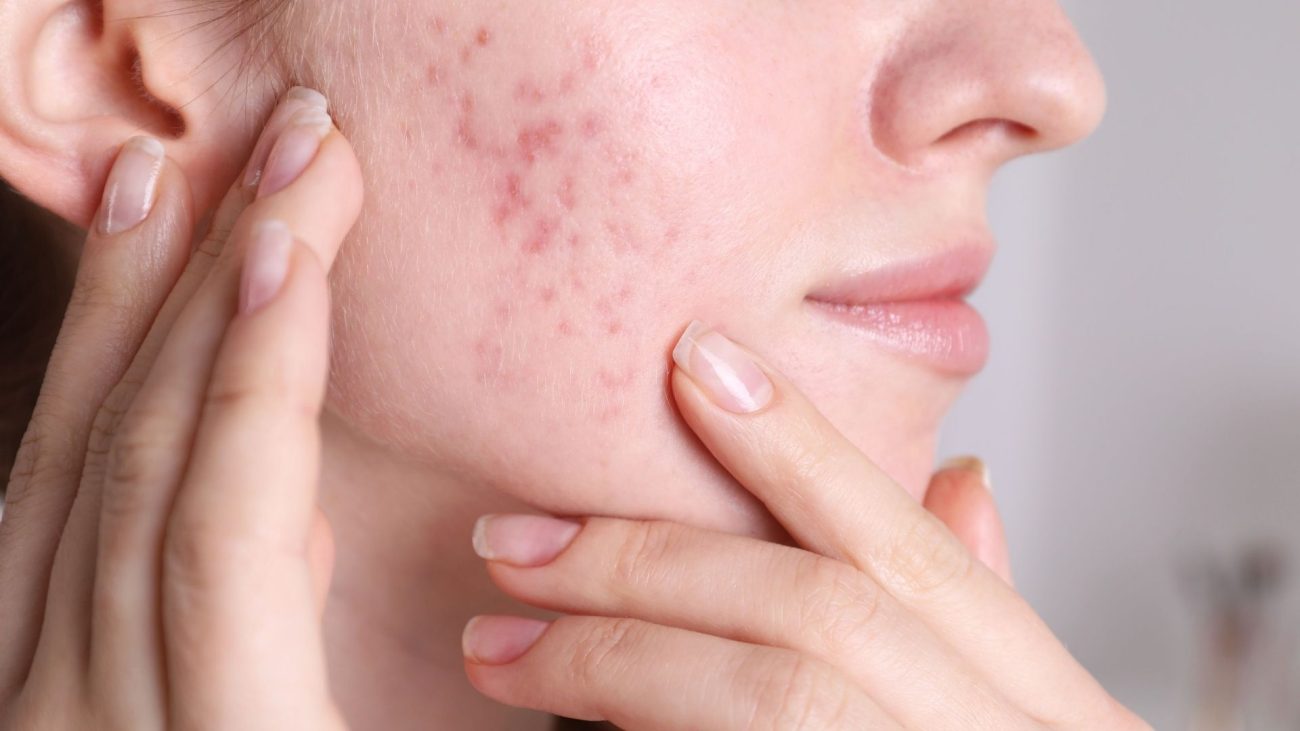
Physiologically, the skin is not merely cosmetic. It serves as a secondary elimination organ.
When primary detoxification organs become overburdened, the body activates emergency pathways pushing waste, excess heat, and inflammatory substances outward through the skin.
- Sweat becomes more acidic and irritating
- Sebaceous glands increase oil production to encapsulate waste
- White blood cells accumulate beneath the surface
What we see as acne, rashes, or dullness is not the skin “malfunctioning.”
It is the body attempting to survive. External skincare alone becomes a surface-level solution while the internal burden remains unchanged.
The Three Core Drainage Systems That Determine Your Skin’s Destiny
1. The Gut The Origin of Inflammatory Skin
When waste accumulates and intestinal permeability increases (“leaky gut”), inflammatory substances enter the bloodstream and trigger excessive immune responses.
Skin impact:
Large inflammatory acne, chronic rashes, persistent sensitivity that topical treatment alone cannot resolve.
2. The Lymphatic System The Architect of Facial Contour and Skin Refinement
The lymphatic system collects and drains metabolic waste beneath the skin.
Unlike the heart, it has no pump it depends on movement and internal balance.
When circulation slows, waste stagnates in tissues.
Skin impact:
Facial puffiness, under-eye bags, blurred jawline, enlarged pores caused by fluid retention.
3. The Circulatory System The Source of Glow and Even Tone
Capillaries deliver oxygen and nutrients to skin cells.
When blood becomes sluggish, thickened, or inflamed, microcirculation to the outer skin layers declines.
Skin impact:
Dull complexion, slow cell turnover, uneven tone, pale and fatigued appearance.
The body always prioritizes protecting the heart and brain.
Premature aging and tired-looking skin are often signs that internal systems are under excessive strain.
Restoring the Skin Systemically In the Correct Order
True internal skin restoration cannot skip steps.
It requires addressing the root cause in proper sequence.
Step 1: Reduce Toxic Burden at the Source
Gut support, such as Colon Hydrotherapy, helps eliminate accumulated waste.
When toxic load decreases, inflammation calms and active breakouts begin to subside.
Step 2: Open Lymphatic Drainage Pathways
Anatomically guided lymphatic stimulation reduces retained fluid.
Facial contour sharpens. Skin appears cleaner and more refined.
Step 3: Reoxygenate the Skin from Within
Circulatory therapies such as Ozone Therapy enhance blood quality and oxygen delivery.
The skin regains a natural rosy tone and recovers more efficiently.
Q&A
Q1: Are breakouts along the jawline and chin related to internal systems?
A: Yes. The jawline and neck region are closely linked to lymphatic function, gut health, and hormonal balance. External treatments may dry out acne, but internal care reduces recurrence at its root.
Q2: Will Systemic Detox cause skin purging?
A: In individuals with high levels of accumulated waste, mild temporary elimination reactions may occur. A comprehensive Systemic approach that supports both elimination and lymphatic pathways simultaneously helps regulate detox flow, reducing the likelihood of severe flare-ups and promoting stable long-term results.
Q3: Should detoxification be done before or after laser treatments, Botox, or fillers?
A: Supporting internal systems prior to aesthetic procedures improves tissue response, reduces swelling and bruising, and may enhance the longevity of results.
Q4: Is it suitable for highly sensitive skin?
A: Sensitive skin is often a reflection of internal inflammation. Systemic Detox helps reduce inflammatory burden and strengthen the skin barrier over time, making the skin less reactive to triggers.
Q5: If I already eat clean and exercise, why does inflammation still recur?
A: Healthy lifestyle choices reduce new accumulation but may not fully eliminate previously stored waste. If the gut, lymphatic, or circulatory systems remain sluggish, pre-existing inflammatory burden can continue to manifest through the skin.
