The problem may not be “what you eat,” but “how well your body can manage the food you consume.” Many people try to make better food choices reducing sugar, reducing fat, choosing cleaner foods yet the body still feels fatigued, bloated, the skin looks dull, or recovery is slower than it should be.
In many cases, this does not come from food quality alone, but from how effectively the body can handle the food that goes in.
Because in today’s world, food is no longer just a source of energy it has become a “compounding burden” on the body’s internal detoxification systems.
Modern Food Places More Strain on Systemic Detox Than We Realize
In daily life, the food we eat often comes with additional elements the body must deal with, such as:
- Additives and preservatives
Sugar and low-quality fats - Chemical residues from production processes
- Irregular eating patterns
Every meal therefore does not end with digestion alone it represents a workload that must be processed through three main systems of the body: the gut, the circulatory system, and the lymphatic system.
The Gut: The First Line to Bear the Burden of Eating

The gut is the starting point for managing everything related to food digestion, absorption, and separating what the body should use from what must be eliminated.
When gut balance is disrupted, waste from food may remain longer and is more likely to pass into internal systems than it should.
Common signs that the gut is under strain from eating include:
- Bloating or tightness after meals
- Irregular bowel movements
- Dull skin, acne, or rashes
- Feeling tired or not refreshed after eating
This is why gut care is considered the “Starting Point” of Systemic Detox.
When Food Waste Enters the Bloodstream
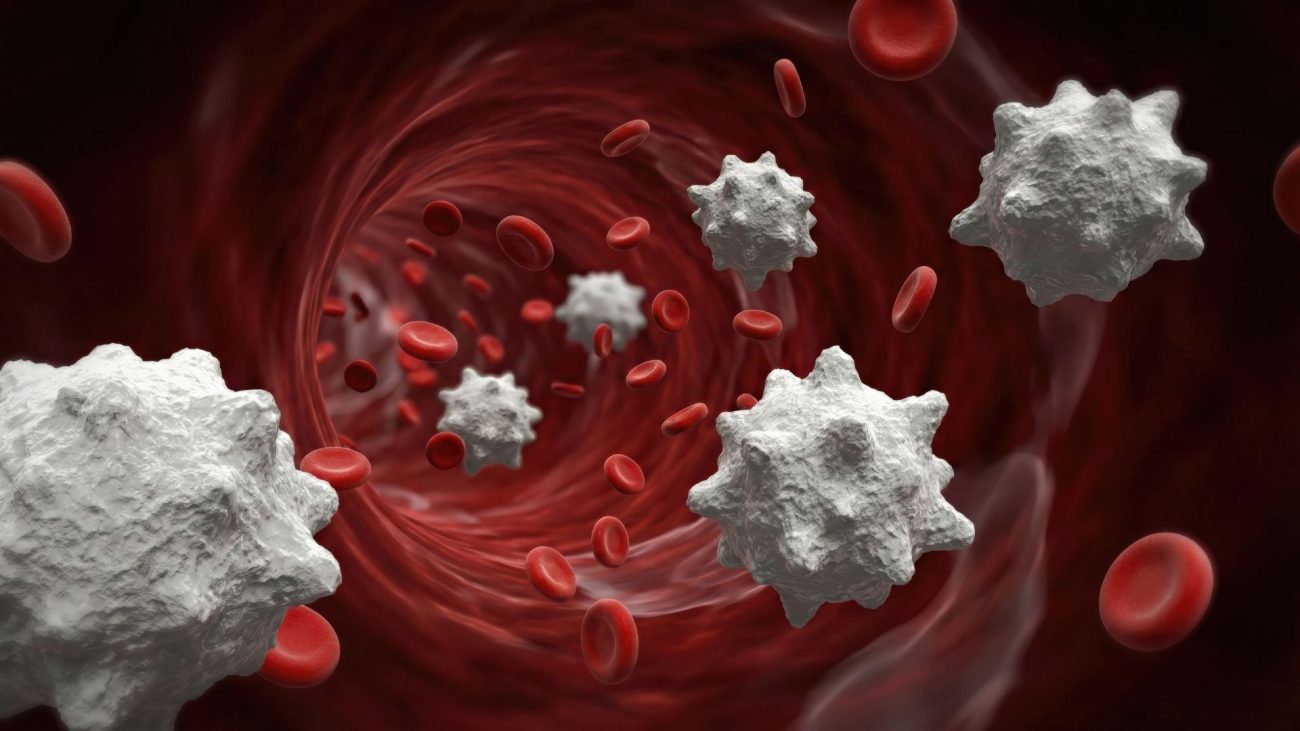
After absorption, nutrients and waste are transferred into the circulatory system, forcing this system to perform two roles at the same time both transporting nutrients and carrying waste toward elimination.
As the burden accumulates, circulation efficiency may decline, affecting energy levels and recovery, such as:
- Cells receiving insufficient oxygen
- Reduced energy levels
- Slower physical recovery
- Increased imbalance and accumulated inflammation
- Fatigue after eating
These symptoms are not minor issues, but signals that the internal systems are carrying more burden than they can handle.
The Lymphatic System: The Final, Invisible Burden of Eating

Small waste particles, excess proteins, and inflammatory substances from food are primarily managed through the lymphatic system.
When lymphatic flow slows, waste remains in the tissues longer and shows up as signs such as:
- Swelling, facial puffiness, or heaviness
- Skin inflammation and chronic acne
- Weakened immunity
- Slow recovery after exercise or treatments
Although this system continuously carries the burden from eating, it is the system discussed the least in general health care.
Eating for Health Requires Caring for the “Systems” Together

Systemic Detox does not mean avoiding food or aggressively forcing waste out. It means reducing toxic burden across all three core systems, allowing the body to process food efficiently through its natural mechanisms when:
- The gut functions in balance
- Circulation supports effective transport
- The lymphatic system moves appropriately
Food consumed can then return to being “energy,” not burden accumulated in the body. When systems are supported correctly, food no longer leaves “residual burden” behind.
When the Three Core Systems Are Balanced, the Body Handles Food Differently

- Digestion and absorption become more efficient
- Food-related waste is eliminated in natural rhythms
- Post-meal inflammation is reduced
- Energy after eating becomes more stable, without sharp drops
- The body’s recovery systems are no longer disrupted by accumulated waste
This is why some people eat the same foods as before, yet feel lighter, fresher, and recover better because their internal systems are ready to handle what they consume.
Why Do Some People Eat Very Little Yet Still Feel Fatigued?

It is not always the amount of food that determines how you feel, but the burden the body must spend energy managing after eating.
If detoxification systems are not functioning efficiently, even small amounts of food can become accumulated burden. The body then has to:
- Divert energy toward waste management
- Reduce energy available for recovery
- Slow cellular repair processes
The result is eating without feeling refreshed fatigue comes easily, and recovery is slower than it should be.
Systemic Detox Changes the “Relationship” Between Food and the Body
Instead of forcing the body to work hard after every meal, Systemic Detox helps reduce resistance within the systems, allowing:

- The gut to avoid residual digestive burden
- The bloodstream to avoid carrying food waste for too long
- The lymphatic system to drain inflammatory substances and excess proteins more effectively
When systems are no longer congested, food is used as energy as it should be not as a source of chronic fatigue.
You Eat Well So Why Don’t You See Results Yet?
Because healthy eating must come with systems that are ready to function.
If the body still carries accumulated burden from the past, changing food alone may not be enough.
Systemic Detox functions like “clearing the backend systems,” allowing the good things you eat to truly create results within the body.
Q&A: Frequently Asked Questions
Q : Do I need to drastically change my diet before starting Systemic Detox?
A : No. Supporting the systems alongside your normal eating habits helps reveal clearer differences in recovery.
Q : Why do some people still feel bloated even after eating clean?
A : Waste may still be accumulated in the gut and lymphatic system, preventing complete food processing even when food quality has improved.
Q : How does Systemic Detox help with post-meal fatigue?
A : When circulation and lymphatic flow improve, cells receive oxygen and nutrients more consistently, reducing drowsiness, fatigue, and heaviness after eating.
Q : Is it suitable for people who don’t eat very poorly?
A : Yes. Toxic burden does not come from food alone it also includes stress, sleep, and environmental exposure the body manages daily.
Q: Which system should be addressed first?
A: Typically, the gut is addressed first to open pathways for food management, followed by circulatory and lymphatic support for whole system recovery.